
From combat-tested fighter pilot to corporate board director and leadership keynote speaker, Martha McSally teaches leaders how to lead themselves first so they can stay grounded, courageous, and be unbreakable under pressure.
First woman in U.S. history to fly an Air Force fighter jet in combat. 26-year Air Force career. 325 combat hours. Bronze Star recipient.

Long before combat hours and command positions, Martha learned what pressure felt like.
At twelve years old, she lost her father to a sudden heart attack. Not long after, she survived sexual abuse by a trusted authority figure.
No one hands you a manual for those moments. You learn early how to survive. How to perform. How to push forward.
She decided she would fly fighter jets. And she was told she couldn’t.
At the time, it was against the law for women to fly fighter jets. The message was clear: this isn’t for you.
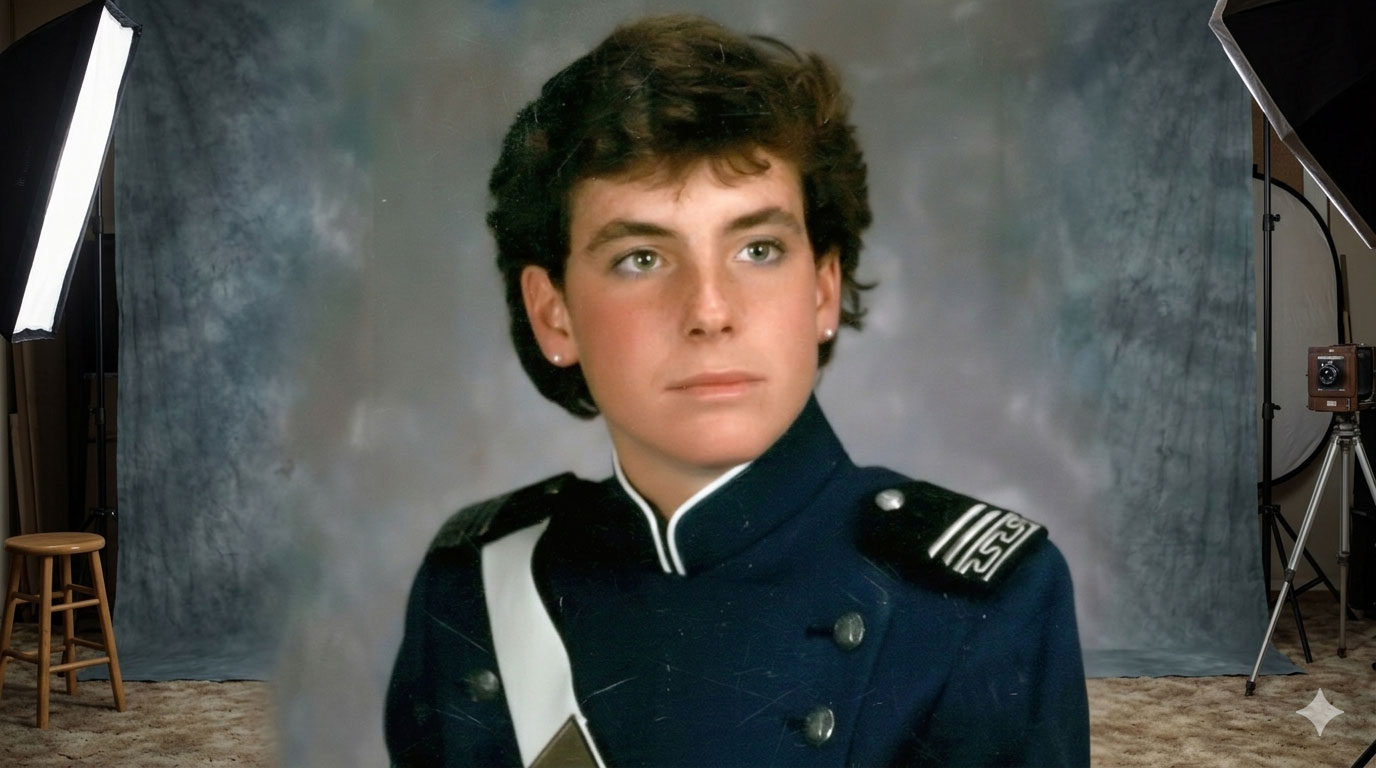
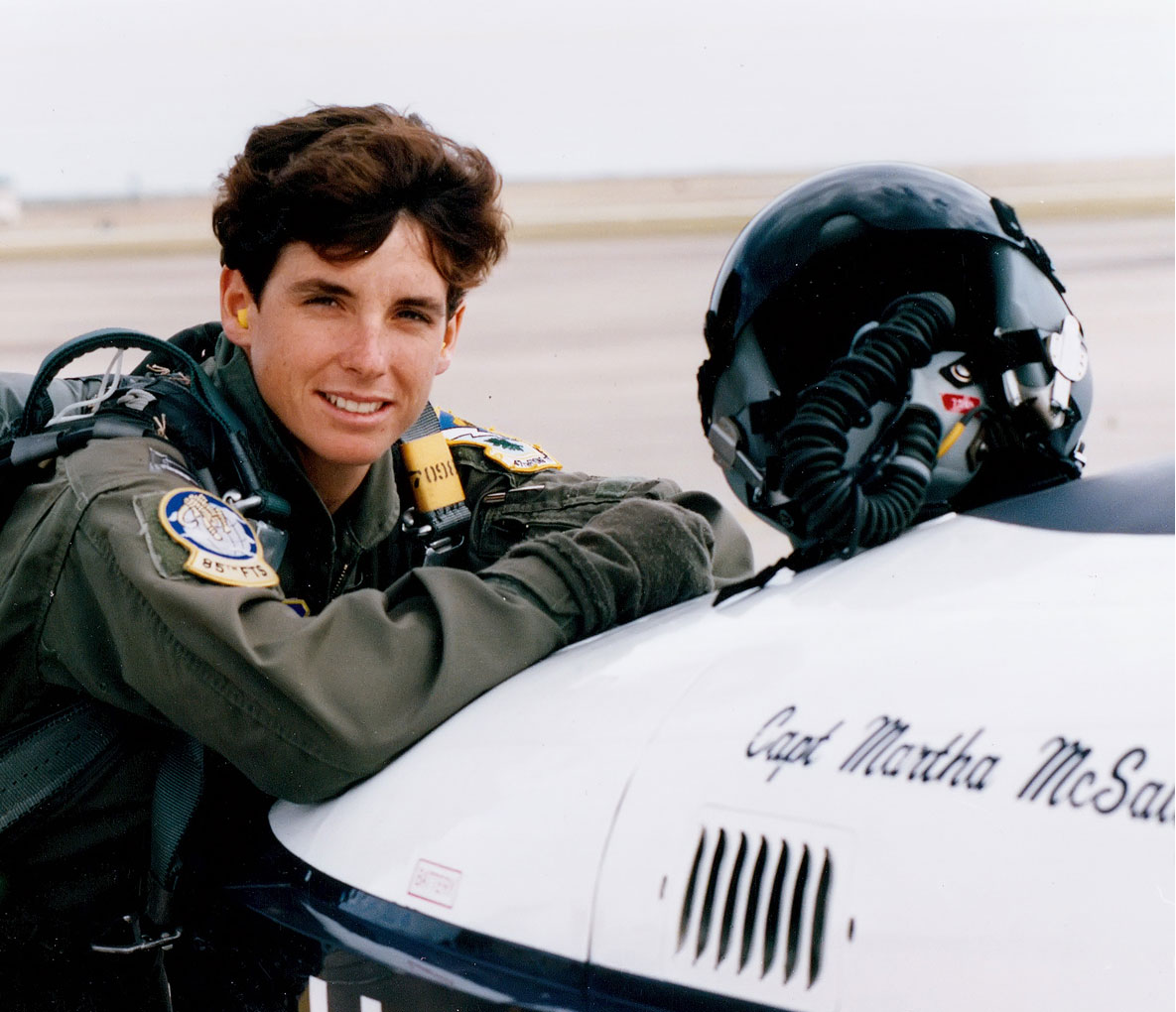
She did what leaders do when told something is impossible. She refused to give up, and decided she would break the barrier.
When policy changed, she was ready. She became the first woman in U.S. history to fly an Air Force fighter jet in combat. Later, she would become the first woman to command a fighter squadron in combat.
But achievement alone does not resolve what pressure builds internally.
For years, she led at the highest levels while carrying what many high performers carry quietly, unprocessed trauma, expectations, and the belief that strength meant never slowing down.
Eventually, she chose a different path. Not just external strength. Internal fortitude.
The discipline she once used to master the A-10 Warthog, she redirected inward toward healing, rebuilding, and redefining who she was beyond titles and accomplishments.
That decision changed how she leads.


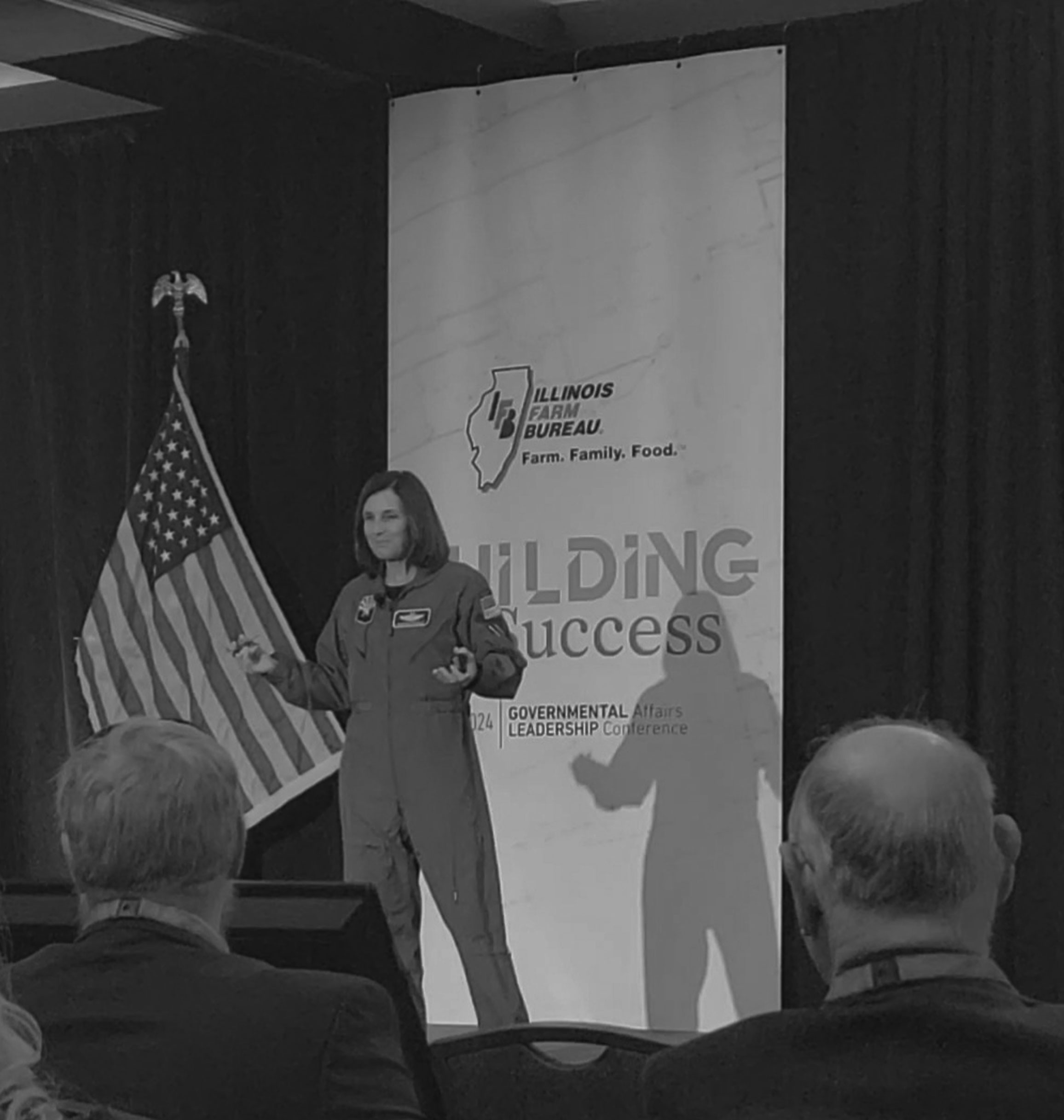
Push through. Don’t complain. Outwork everyone. Prove them wrong.
That version of strength carried Martha into the cockpit. It carried her through 325 combat hours. It carried her into command, into Congress, into rooms where she was often the only woman at the table.
But the same muscle that helps you survive can quietly disconnect you.
For years, she knew how to lead missions. She knew how to manage risk. She knew how to stay composed under fire. What she began to realize, though, was the impact of unprocessed trauma, unhealed wounds, and unexpressed emotions she had carried for years.
Along her journey, she made a more courageous decision. To look inward, face her fears, and confront the emotions she had carried for years. And like peeling an onion, it kept going deeper over time.
She began unpacking the early losses. The trauma. The armor she’d built. The constant re-connecting to herself. She rebuilt her physical strength and vitality. She examined her patterns under pressure to understand them.
She learned that resilience isn’t white-knuckling your way forward.
It’s alignment.
That internal work changed how she leads. And it changed what she teaches.
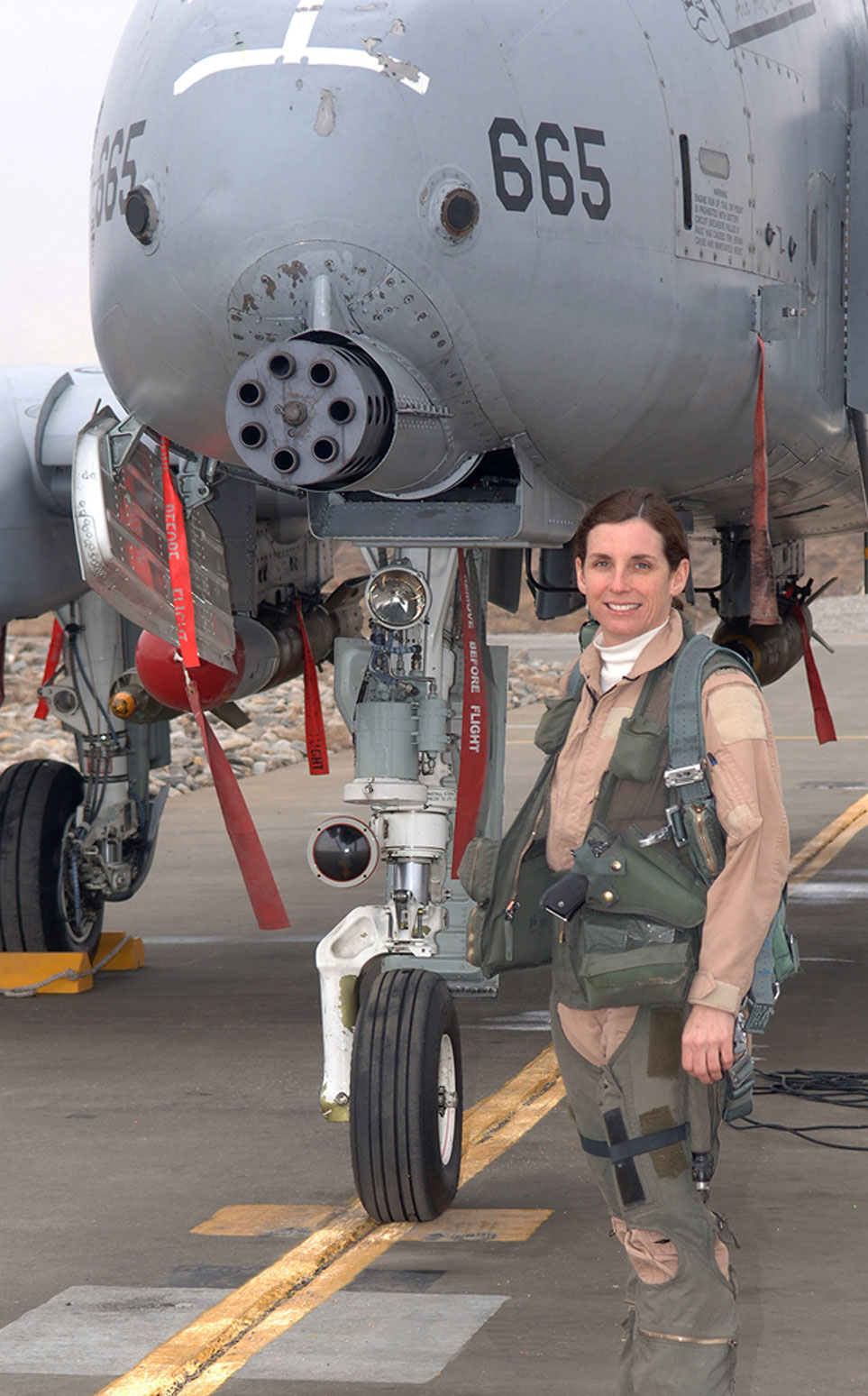
Pressure doesn’t create character. It exposes it.
The leaders who last aren’t the ones who never feel fear. They’re the ones who don’t outsource their identity to achievement alone.
Martha has seen what happens when high performers run at full capacity for years without recalibrating. The decisions get reactive. The communication tightens. The team feels it before the leader does.
She’s also seen what happens when a leader pauses long enough to realign. Clarity sharpens. Energy stabilizes. The noise quiets.
Leadership stops being about proving something and starts being about protecting something: the mission, the people, the values.
That’s why her work centers on self-leadership. Because without it, everything else erodes.
When a leader is grounded internally, the organization feels it externally. And that’s not theory.
That’s pattern recognition from decades under pressure.


Protecting clarity. Protecting alignment. Protecting the internal strength that keeps leaders steady when everything around them accelerates.
When she’s not on stage or leading an experience, you’ll likely find her somewhere outside. Training. Hiking. Pushing her physical limits. Or in a camper van with her dog, Boomer, chasing open sky and quiet places.
She still sets hard goals; protein challenges, fasting windows, endurance feats. Not for aesthetics, not for applause, but for discipline. For self-respect. For the reminder that strength is built daily.
The same mindset that once prepared her for combat missions now prepares her for a different kind of leadership.
Less armor. More alignment. Less reaction. More intention.
Being Unbreakable doesn’t mean you don’t feel pressure. It means you know who you are when you do.
Through keynotes, immersive leadership experiences, her work as a corporate board director, and selective coaching intensives, Martha helps leaders build that kind of steadiness so they can lead others without losing themselves.